PolyResonance Advantages
Why this helps teams think better (not just talk more)
Teams do not struggle with ideas. They struggle with idea dynamics. Most teams already have smart people. The failure mode is not intelligence. It is how ideas interact over time.
Teams don't struggle with ideas — they struggle with idea dynamics
- Good ideas get shut down too early
- Loud voices collapse exploration
- Consensus forms before understanding
- Conversations drift without producing insight
This system fixes that by making thinking visible, paced, and shared.
Core benefit
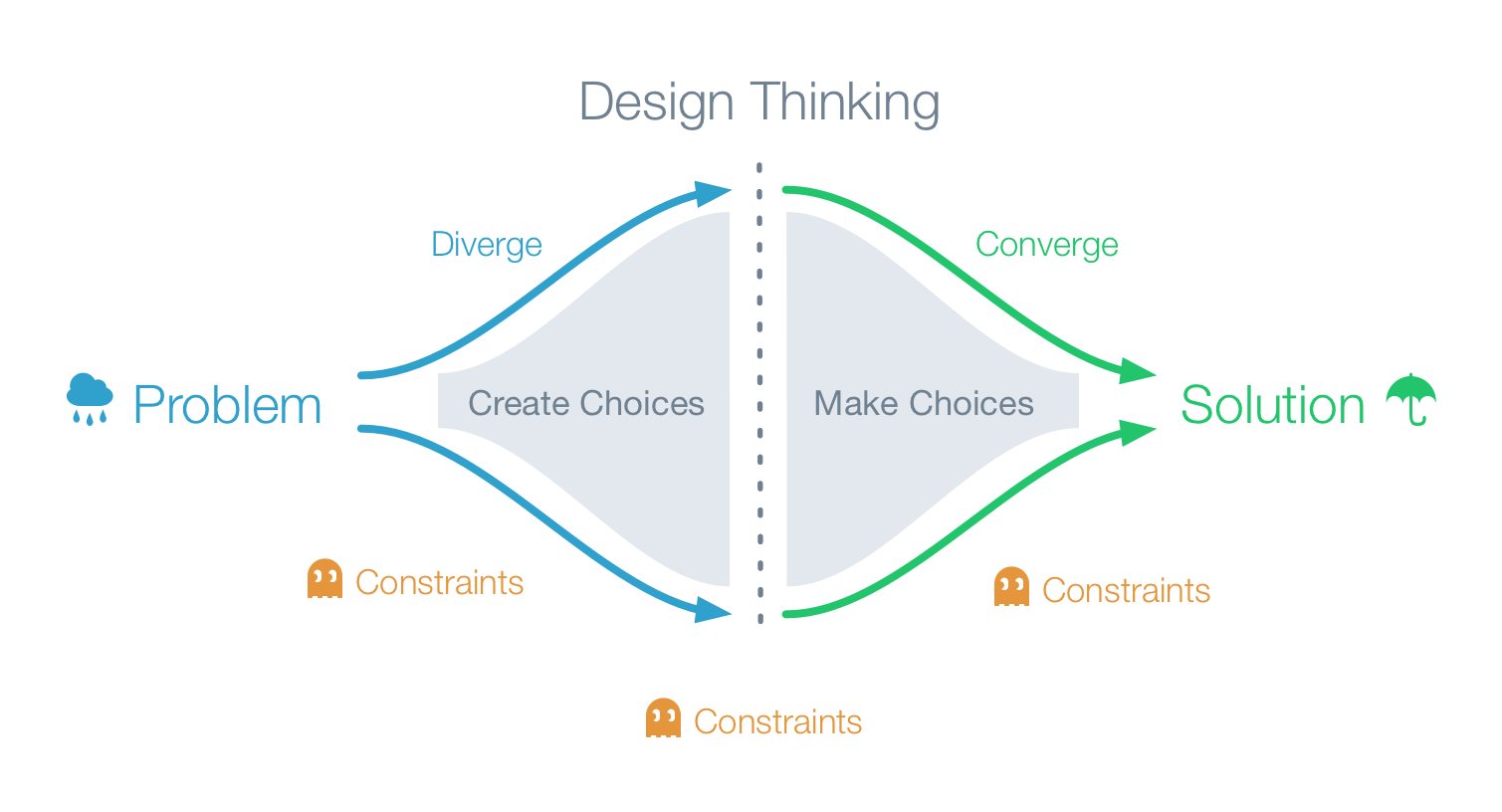
It gives teams permission and structure to first expand thinking and then refine it deliberately, instead of doing both badly at the same time.
Feature advantages at a glance
A direct comparison of how PolyResonance supports healthy idea dynamics.
| Feature | Traditional teams | Chatbots | PolyResonance |
|---|---|---|---|
| Encourages idea exploration | Sometimes | Limited | Yes |
| Preserves multiple viewpoints | Sometimes | No | Yes |
| Separates ideas from hierarchy | No | Yes | Yes |
| Creates shared understanding | Uneven | No | Yes |
| Supports healthy disagreement | Risky | No | Yes |
| Guides teams from exploration to decision | Unstructured | No | Yes |
| Makes thinking visible | No | No | Yes |
| Prevents premature consensus | No | No | Yes |
| Captures why decisions emerged | No | No | Yes |
| Improves with repeated use | No | No | Yes |
| Uses AI without replacing people | No | No | Yes |
| Keeps humans in control | Yes | Sometimes | Yes |
Why this actually makes a difference
Most teams believe they are making good decisions because everyone had a chance to speak. That is not the same thing as thinking well together.
When ideas expand too quickly, teams chase noise. When ideas converge too early, teams miss better options. When neither is visible, teams confuse agreement with understanding.
This system changes that by making the quality of thinking observable, not just the volume of conversation.
Teams can see when they are exploring, when they are refining, and when they are rushing. That awareness alone changes behavior. People slow down when needed, push harder when ideas stall, and commit with more confidence because they understand how the decision formed.
The result is not more discussion. It is clearer alignment, stronger ownership, and decisions that hold up after the meeting ends.
The result is not more discussion. It is clearer alignment, stronger ownership, and decisions that hold up after the meeting ends.